

Brain tumour survivor Catherine Sutton shares her story, starting with how she stumbled across Success.
As a survivor of a childhood brain tumour, I learned of the existence of Success by chance. Before I describe what Success means to me, I have to describe how I got here.
Living as a survivor with the long-term consequences of tumour, surgery, chemotherapy and radiotherapy is tough, always has been and, I expect always will be. Transitioning to adulthood was like having the rug beneath me being pulled away instantly. There was no gradual process, no support. It was a ‘rabbit in the headlights’ situation for much of the time. I’m 40 now and still find it difficult when an instant response is required.
In 2019, I was seeking help and advice as to accessing support, employment, living the independent life I craved but most of all someone who understood.
I cannot express strongly enough the feelings of loneliness and isolation I experienced. Logically, I argued to myself, there must be other people who have survived a childhood brain tumour but, to my knowledge, never met any since finishing treatment. Where did they go? How were they managing?
My many online searches had found cancer charities abounding. Some invested in research into finding a cure, others supporting those currently having treatment for cancer while others arranged palliative, end of life care. It was also apparent to me that I’d had brain cancer so have acquired brain injury. Brain injury services for adults couldn’t help because it wasn’t the right type of brain injury, not a stroke (at that stage anyway), traumatic, dementia (you get the point). Plus, none would address the fact that, despite being an adult, I experience childhood acquired brain injury which had a massive impact on my development and had been cumulative. I was, of course, too old to access children’s services.
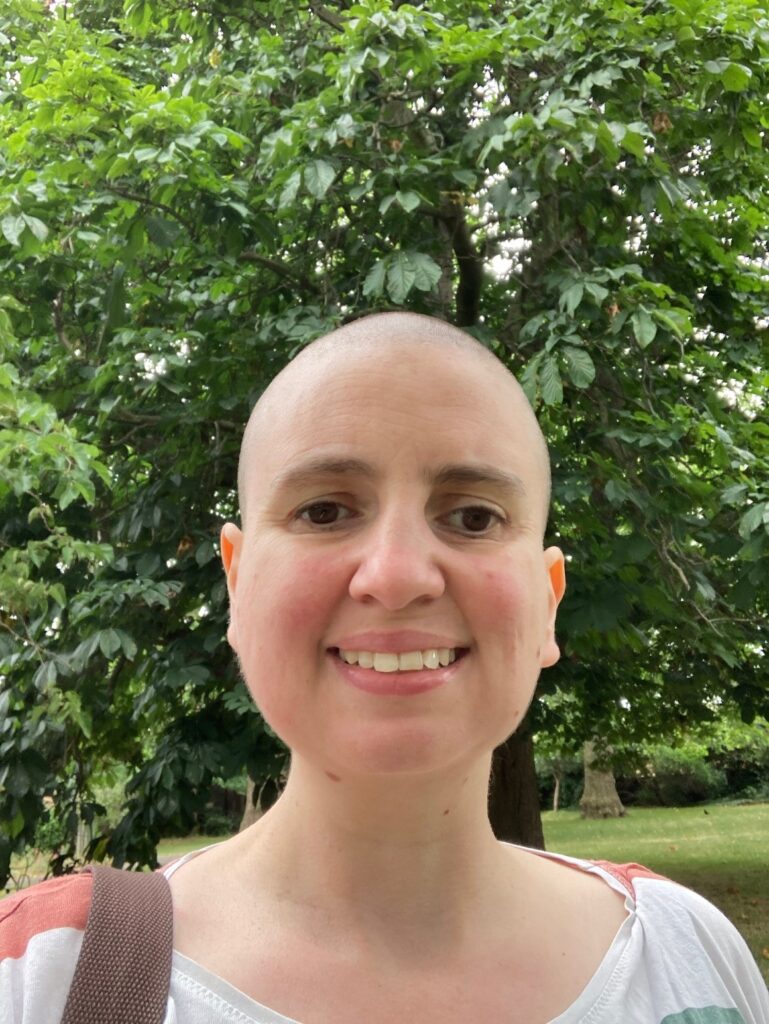
Catherine Sutton
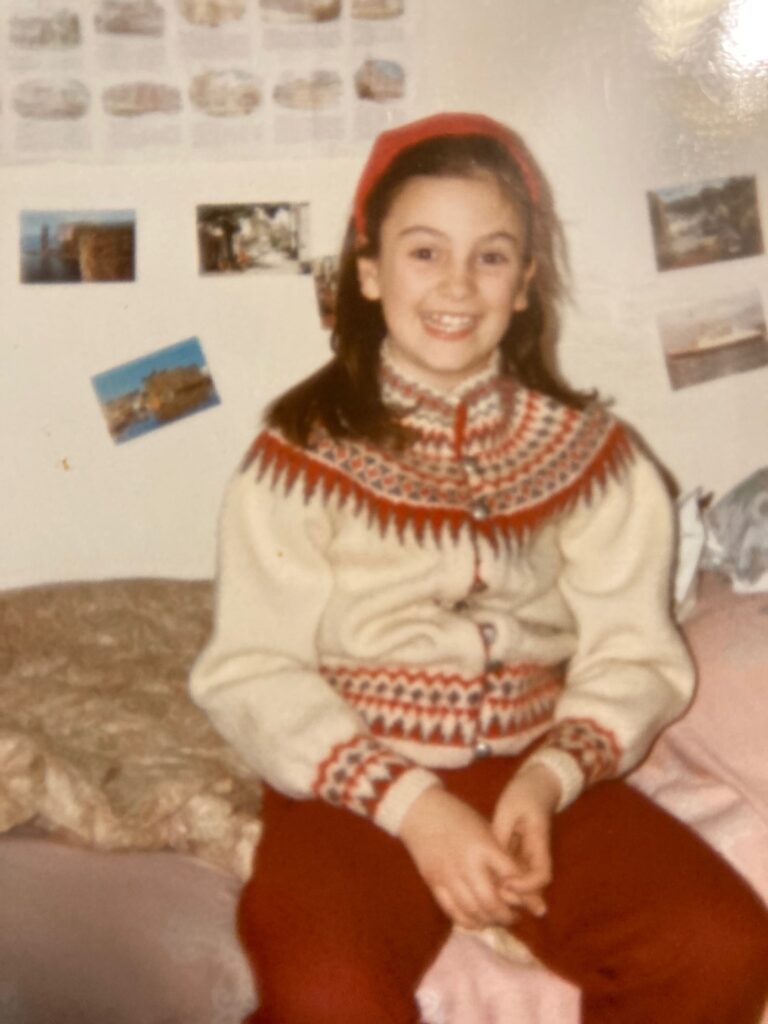
Catherine, 2 months before her symptoms started…
At the end of my tether, I turned to searching for academic papers. On reflection, perhaps not the most helpful thing to do but a where do you turn when you’re lost? I repeatedly read of the negative effects and toxic nature of the treatment I had received, reduced quality of life, reduced independence and cognitive deficits in survivors. I could not understand why, considering this was so (apparently) well known that no one, it seemed, had made any real effort to support or help survivors of childhood brain tumours. All this did was to consolidate the comments I’d received: ‘s**t happens’, ‘the world owes you nothing’, ‘you’re making excuses. I’ve been insulted, demeaned, sworn at and laughed at. All for something I couldn’t help. Was this all I had to expect for the rest of my life?
Had I misunderstood all that I had learned about developmental psychology, brain structure and development? I’d been taught that childhood and adult brain tumours are different and certainly from my perspective, this goes way beyond biological/neurological parameters (a topic I may address in a later blog). Why did nobody know this? I entered a state of despair and frustration and felt I must be going crazy.
Then came an oasis (or was it a mirage?) In the form of Success. I can’t remember which came first, my discovery of the charity website or a short online video of Dr Spoudeas speaking about Success and suggesting that survivors of childhood brain tumours deserve an independent future. My eyes almost popped out and goodness knows what my ears were doing. All I heard and read made so much sense. At last, I had found someone who understands. I admit it, I wept.
Reflecting on the four years since first discovering Success. Even now, I know of no other charity where the long-term effects of childhood brain tumours and treatment are addressed and the emphasis is quality of survival. I still find it incredibly difficult to believe that despite completely different pathways and perspectives, many of my thoughts and observations have been similar to a medical expert in this field, Dr Spoudeas.
I often feel like an ‘also ran’. The treatment I received would not be given today, I have a brain that has been damaged irreparably and live in a world that shows clear and obvious preference for those who don’t have these life experiences. Any specific support that does exist is for those younger than myself. Despite this, perhaps because, I care about futures of those who have had or will have childhood brain tumours and fully support Success.
Success provides an opportunity for survivors to meet other survivors, something only those who have experienced the intense feeling of isolation can appreciate, and a platform to speak of experiences and challenges. Nowhere else gives us a voice. I have repeatedly felt myself drowned out by the cacophony of other conditions and lost due the hidden nature of the effects of my brain tumour and treatment. There have been times when the only way I could receive help was to be placed in the category of another condition which didn’t apply to me.
The first conference I attended was in 2019 and felt an immediate change in atmosphere as I entered the hall. There was no need to explain or defend myself. For much of the time I feel a need to protect myself from assumptions, misinterpretation and challenges to my atypical life trajectory. Not necessary here, I could let the guard drop!
Of course, the horrors of Covid -19 meant that the following two conferences were virtual.
I spoke at the 2023 conference (postponed from 2022 due to train strikes) and hopefully proved the point that I wasn’t reticent about speaking as was previously suggested. I was surprised to find that so many stopped to talk to me during the day and wanted to discuss some issues I had spoken about. I think it brought home to me the importance of the conferences particularly for those at the beginning of their journey. As I alluded to previously, it is very unlikely that a survivor will meet another through typical day to day interaction and that, I believe, is what makes the conference so special for survivors and families. It was emotional at times to meet younger versions of myself and reflect on how confusing the world can be after treatment and having to readjust. This all takes time and no one can do that for you. I can only hope that some of what I said helped someone.
As a peer mentor and survivor, I support the peer mentoring programme. Whether ‘younger me‘ would have listened, I can’t say, but knowing myself, do sincerely believe a peer mentor would have helped me.
For me, Success is a community fully invested in improving outcomes for survivors of childhood brain tumours so that all have opportunity to achieve their utmost in life. A platform upon which survivors can speak of their experiences and needs in safety without being judged and an opportunity for peer-to-peer support. This is not just internal to current members but aiming to expand and eventually reach all survivors. I believe that together, we are greater than the sum of our individual contributions.
Catherine speaking at the Success 2023 conference
https://youtube.com/watch?v=0bHD-2Dksr0%3Fcontrols%3D1%26rel%3D0%26playsinline%3D0%26modestbranding%3D0%26autoplay%3D0%26enablejsapi%3D1%26origin%3Dhttps%253A%252F%252Fstaging.successcharity.org.uk%26widgetid%3D1


